
THNP
Journal
2026
So, you just found out you're pregnant.
First of all—congratulations!
Whether you've been dreaming about this moment for years or you're still staring at the positive test wondering if it's real, welcome to the wild ride that is the first trimester.
If you've heard that the first trimester is all glowing skin and adorable baby bump photos, I'm here to gently tell you that reality can look a little different. For many moms-to-be, the first 12 weeks are filled with exhaustion, nausea, mood swings, and approximately 47 trips to the bathroom every day.
The good news! Everything you're experiencing is completely normal, and you're not alone.
Let's break down what to expect week by week, how to survive morning sickness, and which prenatal appointments you'll want to keep on your calendar.
What to Expect Week by Week
Weeks 1–4: The Waiting Game
At this point, you may not even know you're pregnant yet.
Your body is already hard at work, though. Hormone levels begin rising, and implantation occurs. Some women notice early signs like:
- Mild cramping
- Light spotting
- Tender breasts
- Fatigue
- Increased sense of smell
Don't worry if you don't feel anything yet. Every pregnancy is different.
Weeks 5–8: Hello, Hormones
This is when pregnancy starts feeling very real.
Many women experience:
- Morning sickness (which can happen all day)
- Extreme tiredness
- Food aversions
- Mood swings
- Bloating
Your baby's major organs are beginning to form, and their tiny heart may already be beating.
During this stage, you might find yourself crying over a commercial one minute and desperately craving pickles the next. That's normal too.
Weeks 9–12: Survival Mode
For many moms, this is peak first-trimester territory.
Symptoms may include:
- Nausea
- Frequent urination
- Headaches
- Constipation
- Emotional ups and downs
The silver lining... Many women start noticing symptoms easing as they approach the second trimester.
And even if you're still struggling, remember: your body is doing the incredible work of growing an entire human being.
Managing Morning Sickness Without Losing Your Mind
Let's talk about the symptom everyone warns you about.
Despite the name, morning sickness doesn't care what time it is.
Here are a few strategies that many expecting mothers find helpful:
Eat Before You Get Hungry
An empty stomach can make nausea worse.
Keep simple snacks nearby:
- Crackers
- Pretzels
- Dry cereal
- Toast
Many moms find that eating a small snack before getting out of bed helps start the day on a better note.
Stay Hydrated
Even small amounts of dehydration can intensify nausea.
Try:
- Ice water
- Electrolyte drinks
- Ginger tea
- Lemon water
If plain water suddenly tastes strange, you're not imagining it. Pregnancy hormones can affect your sense of taste.
Ginger Is Your Friend
Research suggests ginger may help reduce nausea.
Try:
- Ginger chews
- Ginger tea
- Ginger ale made with real ginger
Give Yourself Permission to Rest
You don't need to "power through."
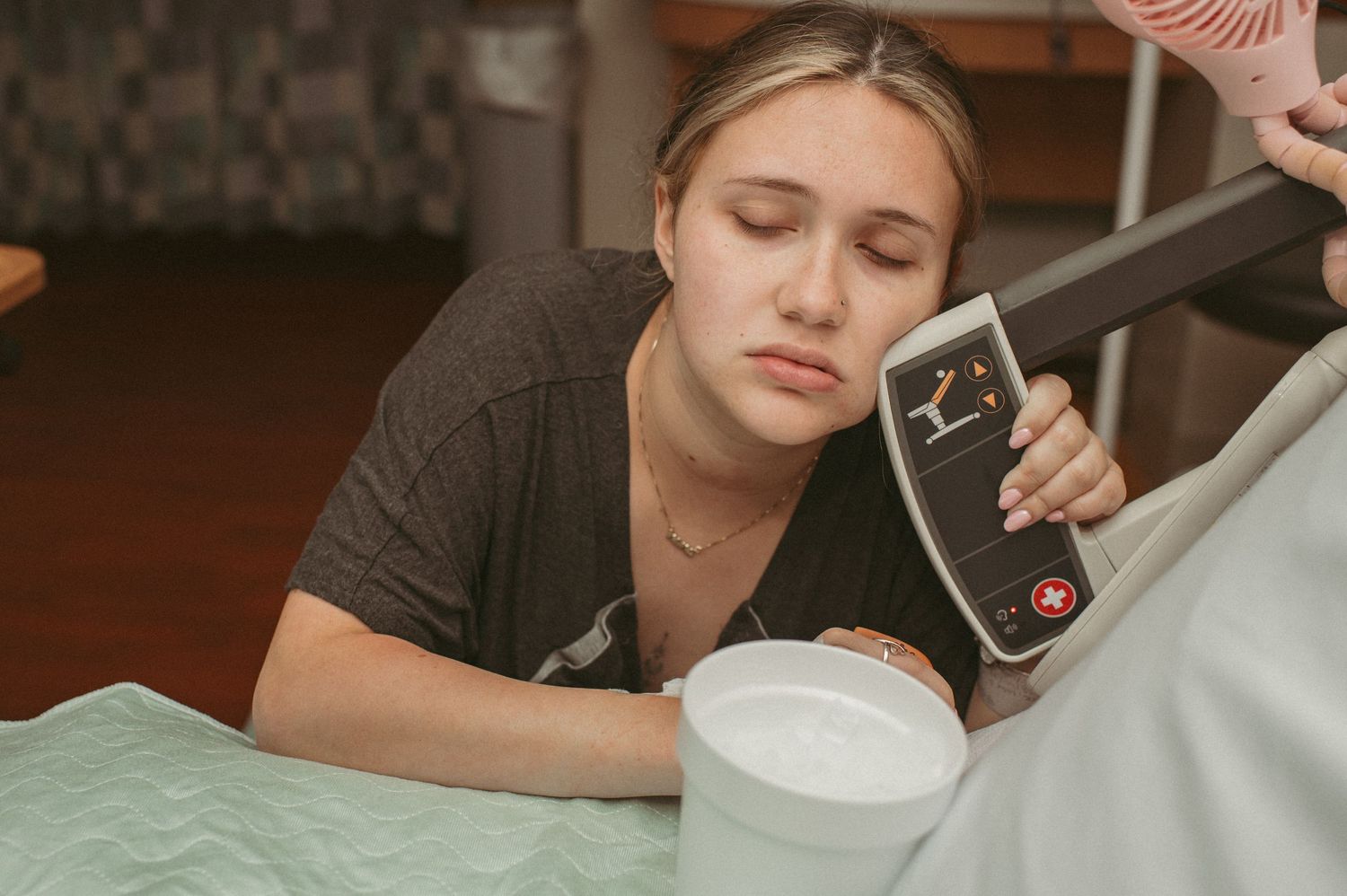
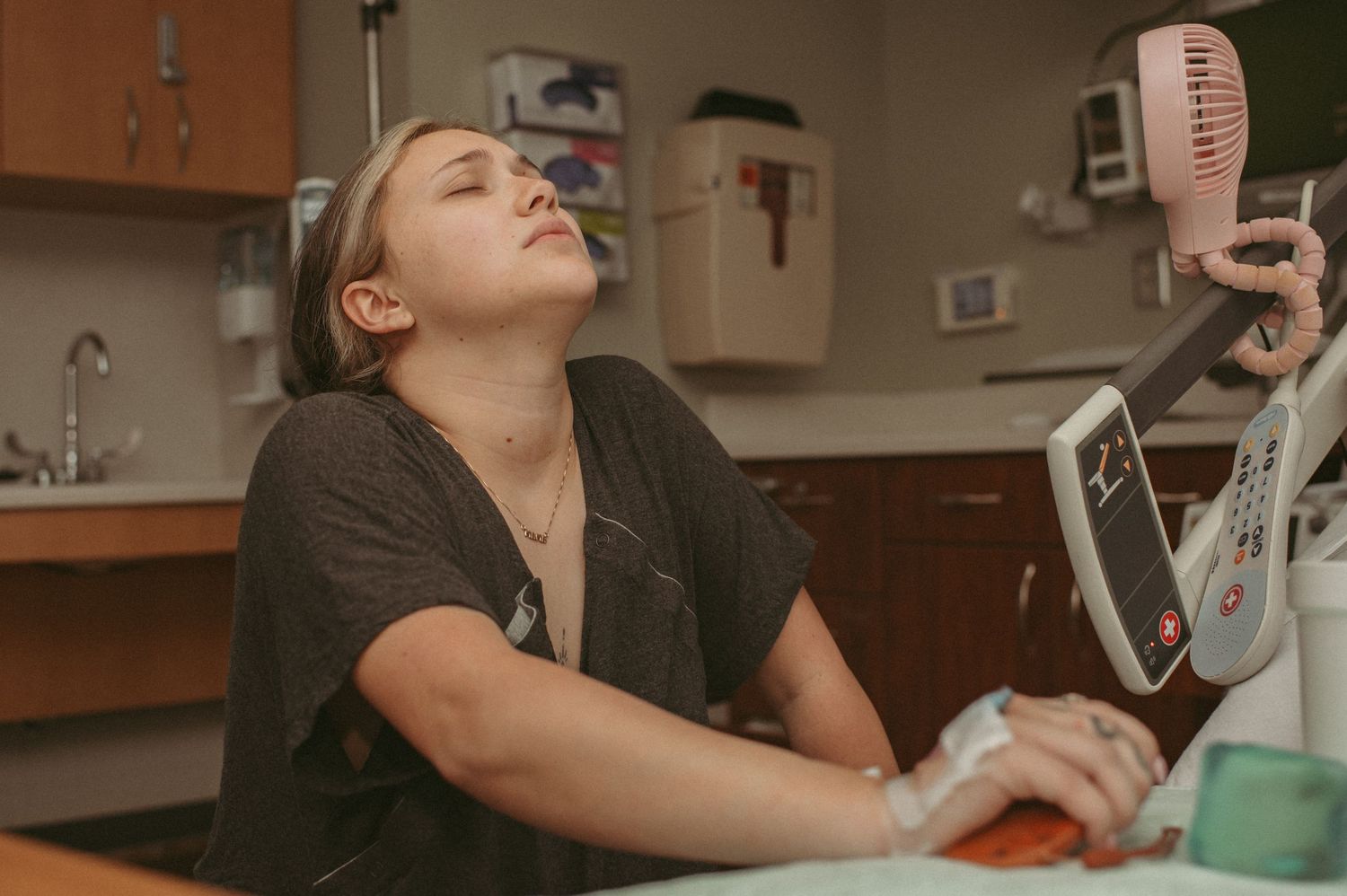
The fatigue of the first trimester is unlike ordinary tiredness. If your body is asking for a nap, take one whenever possible.
Growing a baby is hard work.










Essential Prenatal Appointments You Shouldn't Miss
One of the best ways to ease anxiety during pregnancy is knowing what to expect from your prenatal care.
Your First Prenatal Visit
Typically scheduled between weeks 8 and 10, this appointment often includes:
- Medical history review
- Due date estimation
- Blood work
- Discussion of prenatal vitamins
- Lifestyle and nutrition guidance
Come prepared with questions—there are no silly questions during pregnancy.
First Ultrasound
Depending on your provider, you may have an early ultrasound to:
- Confirm the pregnancy
- Estimate gestational age
- Check your baby's heartbeat
Hearing that tiny heartbeat for the first time is a moment many parents never forget.
Routine Prenatal Checkups
After your first appointment, you'll typically see your healthcare provider every few weeks.
These visits help monitor:
- Baby's development
- Your health
- Blood pressure
- Weight gain
- Any concerns or symptoms
Think of these appointments as regular check-ins designed to keep both you and baby healthy.





A Few Final Words for First-Trimester Moms
If you're currently reading this while curled up on the couch, feeling exhausted, nauseous, emotional, or all three at once, here's something important to remember:
You don't have to enjoy every moment of pregnancy to be grateful for it.
The first trimester can be challenging. Some days, your biggest accomplishment might be eating lunch and taking a shower—and that's okay.
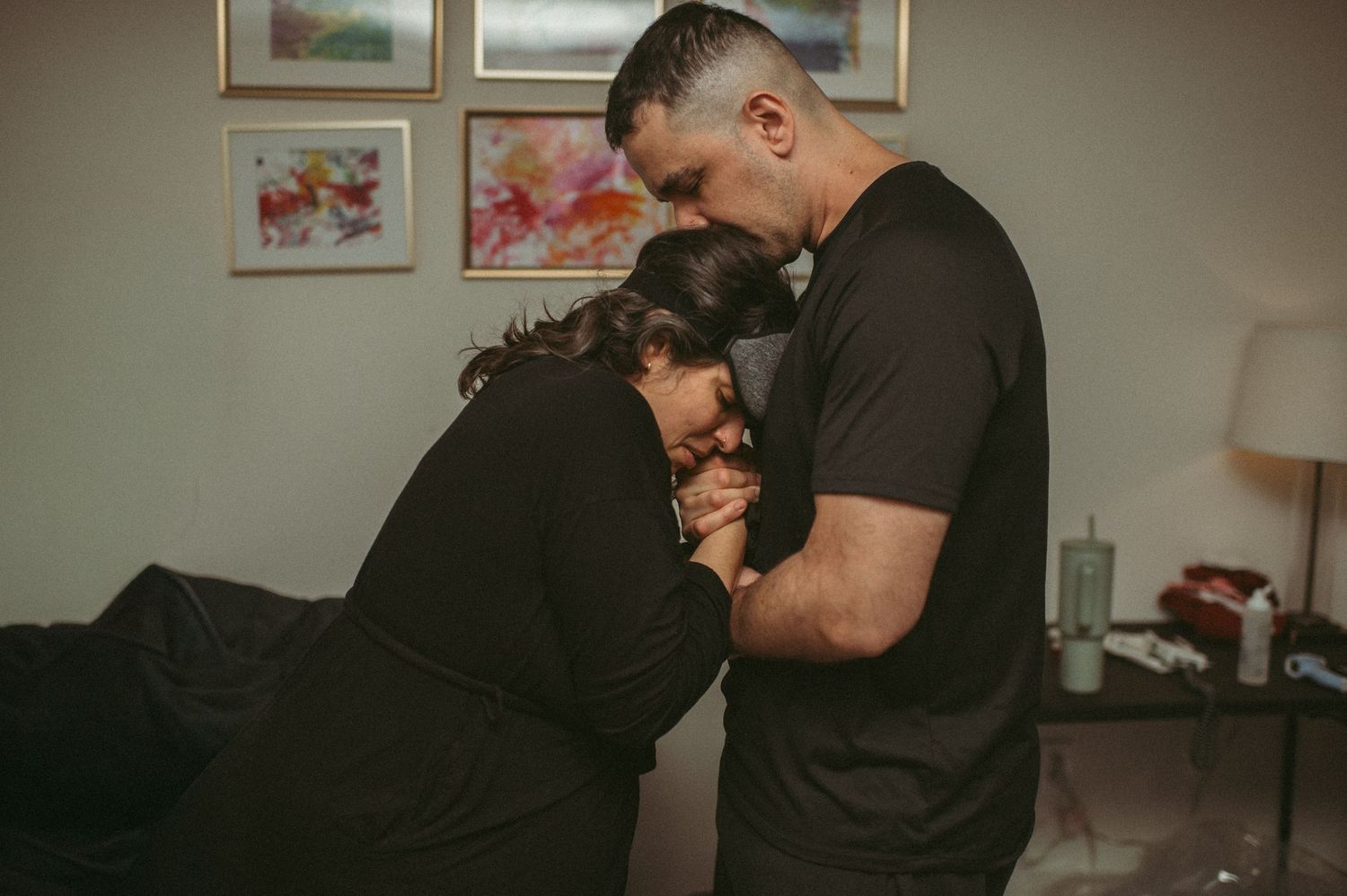
Give yourself grace. Rest when you need to. Ask for help when you need it. And trust that even when it doesn't feel like it, your body knows exactly what it's doing.
You've got this, mama!
One day at a time.